

 KAINOX
 KaiFridge
 KaiCook
 Khu sơ chế
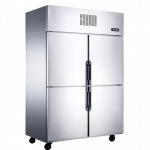 Khu lưu trữ
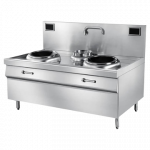 Khu Bếp Nóng
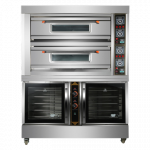 Khu Bếp bánh
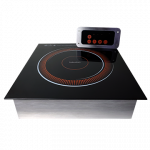 Khu Buffet
 Khu Pha Chế
 Khu Rửa
How Device-Level Protection Tools Safeguards Your Network from New Security Risks
In today’s fast-changing digital landscape, organizations encounter an remarkable range of cybersecurity challenges that require strong and forward-thinking defense mechanisms. As threat actors create increasingly sophisticated attack vectors, traditional perimeter-based security measures often prove inadequate in providing comprehensive protection. The implementation of online casino UK represents a key improvement in cybersecurity approach, offering detailed oversight and immediate risk mitigation at the endpoint level. This approach enables organizations to establish multiple layers of defense, ensuring that emerging threats are identified and neutralized before they can expose confidential information or disrupt business operations.
Learning about Device Level Blocking Software and Network Protection
Network security has advanced significantly from simple firewall configurations to sophisticated multi-layered defense systems that defend against sophisticated digital attacks. Contemporary security frameworks require device-centric approaches that can recognize, assess, and stop malicious activities on individual devices, stopping threats from spreading throughout the network.
Organizations establishing endpoint defense measures achieve comprehensive oversight into network activity patterns and possible threats. By establishing blocking systems at individual devices, security teams can enforce granular policies that adapt to new threat environments while preserving system performance and minimizing disruption to authorized business operations.
- Immediate threat identification and prevention capabilities
- Detailed control over device-specific access control policies
- Integration with current security infrastructure
- Automatic handling of identified security incidents
- Comprehensive logging and audit trail generation
- Flexible deployment across organizational environments
The strategic deployment of endpoint blocking technologies resolves critical gaps in conventional security network frameworks. These solutions give companies the ability to respond dynamically to zero-day vulnerabilities, ransomware incidents, and sophisticated ongoing threats while ensuring adherence to industry regulations and information security requirements. By implementing protective measures at the device level, companies create resilient defense mechanisms that protect valuable assets regardless of network location or access method.
Essential Defense Methods Against New Risks
Contemporary network security requires a layered defense strategy that mitigates threats at all possible vulnerability areas. Organizations must establish robust security frameworks that function together to detect, assess, and eliminate evolving attack vectors before they can cause significant damage to vital systems and protected information.
The incorporation of advanced security technologies at the device level establishes a robust defense against both known and zero-day threats. By combining active oversight, smart detection, and self-executing countermeasures, organizations can maintain continuous vigilance against evolving attack vectors while minimizing the burden on IT security teams.
Real-Time Threat Identification and Protection
Real-time monitoring of data flow and endpoint conduct enables rapid recognition of anomalous behavior and emerging security threats. Complex analytical tools examine behavioral patterns and threat indicators to recognize risks as they emerge, offering security personnel with essential advance notification capabilities.
Protective systems respond quickly upon detecting threats, stopping harmful traffic and isolating compromised devices before threats escalate. This preventive strategy substantially decreases the exposure period, ensuring that developing dangers are contained at their source rather than after they have penetrated deeper into the system architecture.
Advanced Filtering and Access Control
Detailed access control capabilities enable organizations to establish precise rules governing which apps, sites, and network assets individual devices can access. These policies adjust in real-time based on user roles, device types, and security insights, creating customized security profiles for each endpoint on the network.
Authorization mechanisms implement zero-trust principles by continuously verifying endpoint identification and security posture before allowing network permissions. This methodology blocks unauthorized devices from accessing critical assets and guarantees that only compliant, secure endpoints can participate in critical business operations and data exchanges.
Automated Response and Threat Intelligence
Automation serves as essential in responding to threats at automated velocity, executing predefined security protocols without requiring human involvement. When suspicious activity is detected, security automation can contain compromised hardware, prevent access, and notify security teams within milliseconds of security incident recognition.
Linking with global threat intelligence feeds ensures that protection mechanisms keep pace with the latest attack signatures and malicious indicators. This ongoing update cycle enables organizations to protect from newly discovered vulnerabilities and new threat activities, maintaining robust security postures in the face of constantly evolving cyber risks.
Evaluating Device-Level Blocking Tools
When reviewing endpoint protection options, organizations must systematically examine various solutions based on their unique security demands, infrastructure complexity, and operational constraints. Modern blocking solutions differ significantly in their rollout strategies, detection capabilities, resource consumption, and management overhead. Understanding these differences enables security teams to select the most appropriate technology that aligns with their security posture, compliance obligations, and budgetary considerations while enhancing protective effectiveness.
| Solution Type | Deployment Model | Detection Method | Best Use Case |
| Agent-Based Protection | Local software installation | Signature matching, behavioral analysis | Corporate environments with controlled devices |
| Cloud-Managed Filtering | Central cloud console | DNS filtering, threat intelligence feeds | Remote workforces, off-site employees |
| Physical Appliances | Hardware network gateway | Deep packet inspection, protocol analysis | Data centers, static network perimeters |
| Hybrid Solutions | Integrated agent and cloud management | Multi-layered detection, AI-driven analysis | Complex environments demanding comprehensive coverage |
| Network-Level Blocking | Router or firewall integration | IP reputation, geographic filtering, port filtering | Small businesses, streamlined management needs |
Agent-based solutions deliver the most granular oversight of single devices, enabling deep visibility into app performance, process activity, and network communications at the device level.
Cloud-managed filtering systems shine in scalability and ease of deployment, particularly for organizations with teams spread across locations requiring consistent protection without complex infrastructure.
Top Strategies for Setting Up Device-Based Blocking Software
Successful deployment requires a detailed analysis of your IT infrastructure and security needs. Organizations should start with comprehensive reviews of all networked devices, detecting weaknesses and establishing baseline security policies. This essential phase ensures that filtering systems align with business objectives while preserving system performance across all departments and user groups.
Integration with current security infrastructure demands thorough preparation and staged rollout approaches. IT teams must focus on integration testing, staff training initiatives, and continuous monitoring protocols to enhance security performance. Periodic policy assessments and revisions ensure that security controls adapt to emerging threat landscapes and business expansion needs.
- Conduct comprehensive device inventory assessments
- Establish clear security policy hierarchies
- Implement phased implementation across departments
- Establish intelligent threat detection protocols
- Arrange periodic compliance review procedures
- Keep detailed logging and reporting systems
Ongoing optimization demands dedicated resources for tracking performance metrics and reviewing security intelligence. Organizations should create communication channels between security teams and end users, facilitating rapid identification of false positives and policy adjustments. By maintaining this adaptive approach, businesses can ensure their endpoint protection stays robust against both current and future cybersecurity challenges while reducing impact to legitimate business activities.
Upcoming Changes in Device-Based Security Protection
AI and ML algorithms are transforming endpoint security by enabling predictive threat detection and autonomous response capabilities. Organizations will increasingly adopt behavioral analytics that detect anomalous device activities in real-time, allowing security systems to adapt to new threat vectors without requiring ongoing manual intervention. The combination of zero-trust architecture principles with endpoint protection will become standard practice, ensuring that every device undergoes continuous verification regardless of its physical network position or prior authentication status.
The intersection of Internet of Things devices and edge infrastructure will require increasingly advanced device-level protection strategies that extend beyond conventional endpoint solutions. Next-generation solutions will employ blockchain technology for tamper-proof audit trails and distributed threat intelligence sharing across networks. Cloud-based security architectures will provide continuous security coverage for off-site employees, while post-quantum cryptographic approaches will equip enterprises for quantum computing risks that could undermine existing encryption protocols.
Frequently Asked Q&A
What is the difference between device level blocking software and conventional firewall solutions?
Conventional firewalls operate primarily at the network perimeter, monitoring and controlling incoming and outgoing traffic based on predetermined security rules. They function as gatekeepers between trusted internal networks and unsecured external systems. In contrast, endpoint protection solutions work at the level of specific endpoints, providing granular control over applications, processes, and user activities at the endpoint level. While firewalls excel at blocking unauthorized network access, endpoint solutions offer deeper visibility into endpoint activity, help stop harmful code deployment, and defend against threats that circumvent network protections. Contemporary security approaches typically utilize both methods in tandem, creating layered defense mechanisms that address threats at various locations in the network environment.
How often should device level blocking software be refreshed to safeguard from emerging threats?
Endpoint protection solutions should receive updates as frequently as possible, ideally through automatic deployment systems that deploy patches and threat intelligence in near real-time. Most enterprise-grade solutions scan for new patches multiple times per day, with critical security patches released right away upon release. Threat definition databases should update continuously, often every few hours, to ensure defense from the newest malware definitions and attack patterns. Organizations should configure their systems to apply updates automatically while creating update schedules for major version upgrades that may require server reboots. Additionally, administrators should regularly review update logs to verify proper installation and monitor vendor security bulletins to stay informed about emerging threats and recommended mitigation steps.