

 KAINOX
 KaiFridge
 KaiCook
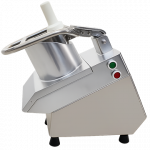 Khu sơ chế
 Khu lưu trữ
 Khu Bếp Nóng
 Khu Bếp bánh
 Khu Buffet
 Khu Pha Chế
 Khu Rửa
Victorious Leads With Unstoppable Grit
Victorious Leads With Unstoppable Grit
There is a certain kind of energy that surfaces when determination meets opportunity, and it is that exact spirit that powers the concept of being victorious. It is not merely about crossing a finish line or claiming a prize; it is about the relentless push forward even when the odds feel stacked against you. The idea resonates deeply because everyone, at some point, craves that sense of triumph. For those seeking an environment where this resilience is celebrated, Victorious offers a digital arena built around the thrill of perseverance and the joy of overcoming challenge.
What makes this concept so magnetic is its refusal to accept mediocrity. It speaks to the part of us that wants to rise, to push through fatigue, and to stand tall when circumstances get rough. Grit is not a flashy trait; it is a quiet, burning engine that keeps going long after the initial excitement fades. In many ways, the journey mirrors the stories of athletes, inventors, and leaders who failed repeatedly but never abandoned their core belief. They did not simply wish for success — they built it, brick by unglamorous brick.
The path to any meaningful victory is rarely a straight line. There are setbacks, doubts, and moments where quitting seems easier. Yet, the truly unstoppable find a way to reframe obstacles as lessons. They learn to adapt, to pivot, and to dig deeper into their reserves of patience and creativity. This adaptability is the hallmark of lasting achievement. It transforms a simple win into a foundation for future successes, creating a cycle of growth that feeds on itself.
Why Grit Matters More Than Talent
It is a common misconception that natural ability alone guarantees a victorious outcome. While talent certainly provides a head start, it is grit that sustains momentum over the long haul. Consider the countless prodigies who faded into obscurity because they never learned to handle failure, versus the determined individuals who improved steadily through sheer repetition and focus. The difference lies in the willingness to endure discomfort and to keep showing up when inspiration wanes.
Grit is built through small, consistent acts of courage. It is choosing to practice when you would rather rest, to refine a skill when you feel you have plateaued, and to seek honest feedback even when it stings. Each of these moments layers upon the last, forging a resilience that becomes second nature. Eventually, the person with grit no longer needs motivation; they operate on a deeply ingrained habit of pushing forward.
Lessons from Those Who Persevered
History is filled with examples of individuals who turned near-defeat into legendary comebacks. Think of inventors whose prototypes failed hundreds of times before a breakthrough, or artists whose early works were rejected before they became iconic. What set them apart was not a lack of fear, but a decision to act in spite of it. They understood that temporary losses are not final verdicts; they are merely data points on a longer journey.
“The most certain way to succeed is always to try just one more time.” — Inspired by the spirit of relentless effort.
This mindset applies universally, not just to grand ambitions. It works in personal growth, career development, and even in daily challenges like mastering a new hobby or repairing a relationship. Every small victory builds confidence, and every obstacle overcome strengthens the muscle of resilience.
Key Traits of an Unstoppable Mindset
- Consistency over intensity — steady effort outlasts short bursts of enthusiasm.
- Embracing discomfort — growth happens outside your comfort zone.
- Learning from failure — treat setbacks as feedback, not identity.
- Long-term vision — keep the big picture in mind during tough days.
- Self-compassion — forgive missteps and keep moving forward.
Comparing Two Paths to Achievement
| Aspect | Grit-Driven Approach | Talent-Only Approach |
|---|---|---|
| Response to failure | Analyzes and adapts | Often avoids or quits |
| Energy source | Intrinsic discipline | External validation |
| Growth trajectory | Steady, compounding | Fast start, plateaus |
| Long-term outcome | Sustainable success | Often inconsistent |
This table highlights a crucial insight: grit is not about being louder or more aggressive. It is about endurance, reflection, and a stubborn commitment to keep improving. While talent may open doors, grit ensures you stay in the room long enough to make a difference.
Building Your Own Victorious Path
You do not need to be born with extraordinary qualities to lead with unstoppable grit. What you need is a willingness to start where you are, to set realistic goals, and to track progress without being harsh on yourself. Small wins accumulate. A single step forward, repeated daily, becomes a mile over months. The key is to stop waiting for the perfect moment and to act with what you have now.
Surround yourself with reminders of why you started. Keep a journal of small victories. Talk to people who challenge and support you. Most importantly, remember that every setback contains a hidden lesson. The question is not whether you will face difficulties, but whether you will let them define you or refine you.
Frequently Asked Questions
1. Can grit be learned, or is it something you are born with?
Grit can absolutely be developed. It is a habit of mind that grows through practice, reflection, and a willingness to keep going despite discomfort.
2. How do I stay motivated when progress feels slow?
Focus on small, measurable milestones rather than the distant goal. Celebrate micro-wins and remind yourself that consistency matters more than speed.
3. What if I keep failing despite my best efforts?
Reevaluate your approach without judging yourself harshly. Failure often signals a need to pivot, not to stop. Seek feedback and adjust your strategy.
4. Is grit the same as stubbornness?
No. Grit involves flexibility and learning, while stubbornness resists change. Grit means holding the goal steady while adapting the path.
5. How do I handle people who doubt my journey?
Use their skepticism as fuel for your own resolve, but do not let it dictate your direction. Stay focused on your own progress and reasons for pushing forward.
6. Can I apply this mindset to any area of life?
Yes. Grit works in careers, relationships, fitness, creative pursuits, and personal growth. The principles of persistence and adaptability are universal.
7. What is the first step to building more grit?
Choose one area where you tend to give up easily, and commit to trying just one more time before quitting. That single action can start a powerful chain reaction.
8. Does grit guarantee success?
No approach guarantees a specific outcome, but grit dramatically increases your chances of achieving meaningful, long-term results. It builds a foundation that talent alone cannot sustain.
In the end, being victorious is not about never falling. It is about rising each time with greater wisdom and renewed determination. Lead with grit, and the path will reveal itself step by step.